Greece vs Italy: Match Preview, Predictions and Betting Tips
Published on Friday, 05 June 2026 by Steve


Match Overview

The Mediterranean derby between Greece and Italy arrives at a fascinating crossroads for both nations as they prepare to face off in a high-stakes Friendly International at the iconic Pankritio Stadium in Heraklion, Crete, on Sunday, 7th June 2026. This fixture represents far more than a routine warm-up match; it serves as a critical examination of two proud footballing cultures navigating distinctly different paths. For the hosts, Greece enter this contest buoyed by the momentum of their remarkable promotion to UEFA Nations League A under the astute guidance of Serbian tactician Ivan Jovanović, who has orchestrated a genuine renaissance in Hellenic football since his appointment in August 2024. The historic 2-1 victory over England at Wembley Stadium in October 2024 remains the defining moment of Jovanović's tenure, a result that announced Greece's return to the European elite conversation and demonstrated that this generation possesses both the tactical discipline and mental fortitude to overcome historically superior opponents on their day.
Conversely, Italy arrive in Crete amid a period of profound institutional crisis and generational transition that has left the four-time World Cup winners searching for identity and direction. The Azzurri's failure to qualify for the 2026 FIFA World Cup represents a catastrophic setback for a nation that considers itself among football's aristocracy, and the subsequent resignation of manager Gennaro Gattuso following the play-off final defeat to Bosnia and Herzegovina has plunged the Italian Football Federation into a state of administrative flux. With caretaker coach Silvio Baldini overseeing a radically experimental squad featuring 19 debutants and an average age of just 20 years and 6 months, this friendly against Greece offers Italy a rare opportunity to blood their next generation without the suffocating pressure of competitive qualification stakes. For those seeking daily football predictions, this fixture presents an intriguing analytical challenge given the stark contrast in experience, motivation, and tactical maturity between the two sides.
The historical context of this encounter adds layers of intrigue that extend beyond the immediate tactical battle. Greece and Italy share deep cultural, historical, and sporting connections that have produced memorable encounters across multiple decades, though the head-to-head record heavily favors the Azzurri with two victories and one draw from their three most recent competitive meetings. However, Jovanović's Greece have evolved significantly since those earlier encounters, developing a cohesive tactical identity built upon organized defensive structures, rapid vertical transitions, and the lethal finishing prowess of Vangelis Pavlidis, who has emerged as one of Europe's most clinical strikers in the 2025-2026 season. The Pankritio Stadium atmosphere is expected to be electric, with passionate Greek supporters eager to witness their team's continued ascent against a wounded Italian giant. For bettors exploring double chance markets or over-under betting options, understanding the psychological dynamics at play—Greece's rising confidence versus Italy's youthful experimentation—will prove essential in identifying value opportunities within this compelling Mediterranean showdown.
Tactical Preview

Formation & Key Matchups
Greece 4-2-3-1
Ivan Jovanović has established a remarkably consistent tactical framework since taking charge of the Greek national team, predominantly deploying a disciplined 4-2-3-1 formation that maximizes the squad's collective strengths while minimizing individual defensive vulnerabilities. The system's foundation rests upon a compact double pivot in midfield, typically featuring Dimitris Kourbelis alongside the emerging talent Christos Mouzakitis, whose energy and ball-winning capabilities provide essential protection for the back four. This defensive solidity allows the creative triumvirate of Tasos Bakasetas, Giannis Konstantelias, and Giorgos Masouras to operate with relative freedom, interchanging positions and exploiting spaces between Italy's likely experimental defensive lines. The tactical approach emphasizes verticality and quick transitions, with Jovanović instructing his wide players to hug the touchlines initially before making inverted runs that create overloads in central areas. Greece's defensive block is notably aggressive, with the front four initiating a coordinated press designed to force opponents into hurried clearances that can be recycled into immediate attacking opportunities. This strategic discipline has been the hallmark of Greece's resurgence, transforming them from a reactive, defensive-minded unit into a proactive side capable of controlling tempo against superior opposition.
Italy 4-3-3
Silvio Baldini's experimental Italy squad presents a fascinating tactical puzzle, with the caretaker manager likely to deploy a fluid 4-3-3 formation that mirrors the progressive philosophy he has championed at the U21 level. The youthful nature of this Azzurri selection—featuring 19 first-time senior internationals—suggests an approach built around technical possession and high-tempo pressing rather than the pragmatic, defensive-minded traditions historically associated with Italian football. The midfield trio of Niccolò Pisilli, Cher Ndour, and Luca Lipani offers an intriguing blend of creativity, athleticism, and tactical intelligence, though their collective lack of senior international experience raises questions about their ability to manage the game's emotional and physical demands against a physically imposing Greek side. Baldini's system likely emphasizes width through the dynamic wingers Seydou Fini and Luca Koleosho, with Francesco Pio Esposito operating as a false nine or dropping deep to link play between the lines. However, the defensive unit—comprising relatively untested talents such as Honest Ahanor, Pietro Comuzzo, and the experienced but out-of-form Marco Palestra—may struggle to maintain organizational cohesion against Greece's well-drilled attacking patterns. The tactical battle will likely be determined by whether Italy's youthful exuberance and technical quality can overcome Greece's superior structural organization and competitive maturity, a question that has profound implications for those consulting full-time prediction models ahead of this fixture.
Critical Vulnerability
The most significant tactical vulnerability in this encounter lies within Italy's experimental defensive structure, which lacks both the organizational cohesion and individual experience necessary to withstand Greece's sophisticated attacking transitions. Baldini's youthful backline, while technically gifted and comfortable in possession, has not been tested against the kind of physically imposing, tactically astute opposition that Jovanović's Greece represent. The potential absence of established defensive leadership—following the retirement or omission of veterans like Alessandro Bastoni and Gianluca Mancini from this experimental squad—creates a leadership vacuum that Greece's experienced attackers, particularly the predatory Vangelis Pavlidis and the intelligent movement of Tasos Douvikas, are perfectly equipped to exploit. Furthermore, Greece's exceptional record from set-pieces, a recurring strength throughout Jovanović's tenure, poses a specific threat to an Italian defensive unit that has not had sufficient time to develop the kind of coordinated zonal marking systems necessary at the highest international level. The aerial presence of Konstantinos Koulierakis and Panagiotis Retsos from attacking corners and free-kicks could prove decisive, particularly if Italy's young goalkeeper Giovanni Daffara—making his senior debut in these friendlies—struggles to command his penalty area with the authority required against physically imposing opponents. This defensive fragility represents the primary avenue through which Greece can secure a positive result, and savvy bettors exploring correct score betting markets should factor this vulnerability into their calculations when assessing the probability of a Greek victory.
Team News & Squad Status
Greece 🔥
- Konstantinos Tsimikas (Liverpool): The experienced left-back is a major doubt after sustaining a muscle strain during Liverpool's final Premier League fixture of the 2025-2026 season. Jovanović faces a tactical dilemma regarding whether to risk Tsimikas or deploy the capable Dimitris Giannoulis as a like-for-like replacement.
- Andreas Tetteh: The forward remains sidelined with a persistent ankle injury that has kept him out of international duty since March 2026, though his absence is mitigated by the exceptional form of Vangelis Pavlidis and Tasos Douvikas in the striking positions.
- Vangelis Pavlidis: The AZ Alkmaar striker arrives in exceptional form, having scored 28 goals across all competitions in the 2025-2026 season, and will be the focal point of Greece's attacking strategy. His clinical finishing and intelligent movement make him the most dangerous player on the pitch.
- Christos Mouzakitis: The 19-year-old midfielder has been one of the breakout stars of Jovanović's tenure, earning plaudits for his mature performances in the Nations League. His energy and progressive passing will be crucial in disrupting Italy's youthful midfield.
- Odysseas Vlachodimos: The Nottingham Forest goalkeeper has established himself as the undisputed number one, bringing Premier League experience and exceptional shot-stopping ability that provides confidence to the defensive unit ahead of him.
- Konstantinos Karetsas: The 18-year-old prodigy has been included in the squad despite limited senior minutes, with Jovanović viewing this friendly as an opportunity to integrate the next generation without compromising the competitive core of the team.
Italy 🔄
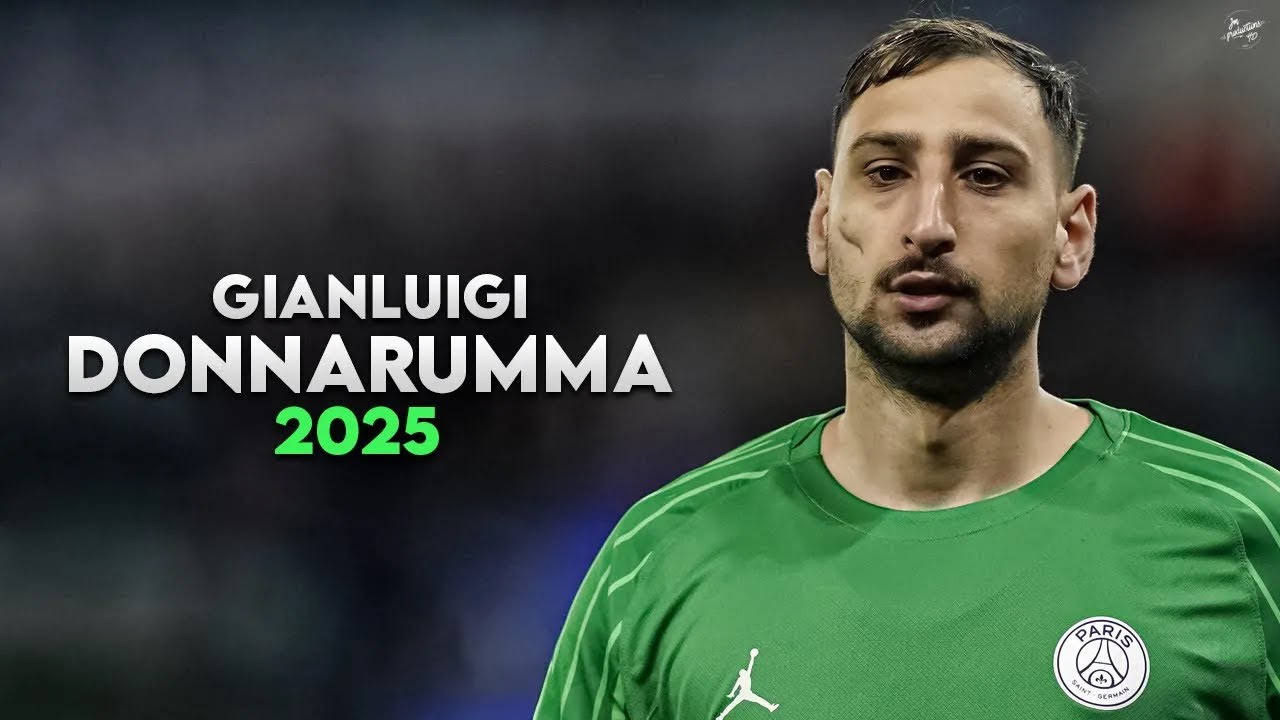
- Gianluigi Donnarumma (Manchester City): The veteran captain and only established star in this experimental squad provides essential leadership and experience. However, his club season has been demanding, and Baldini may opt to rest him in favor of giving Giovanni Daffara or Lorenzo Palmisani valuable senior minutes.
- 19 Debutants: Baldini's squad features an unprecedented 19 first-time senior internationals, reflecting the federation's commitment to a generational overhaul following the World Cup qualification failure. This radical approach prioritizes long-term development over immediate results.
- Francesco Pio Esposito (Inter): The young striker represents one of Italy's most exciting attacking prospects, though his relative inexperience at the senior international level means he will face a stern examination against Greece's physically imposing and well-organized defensive unit.
- Filippo Mané, Luca Reggiani, Samuele Inácio (Borussia Dortmund): The three Bundesliga-based youngsters bring valuable top-flight experience from Germany, with Reggiani and Inácio having both scored their first Bundesliga goals in the 2025-2026 season, suggesting attacking potential from defensive positions.
- No Unavailable Players: Unlike Greece, Italy enter this fixture without any reported injury concerns, though the squad's collective lack of senior international experience represents a different kind of challenge that may prove equally problematic.
- Managerial Uncertainty: With the permanent replacement for Gattuso not due to be appointed until after the FIGC presidential election on June 22, Baldini's temporary stewardship means tactical continuity and long-term strategic planning remain limited, potentially affecting player motivation and tactical coherence.
Predicted Lineups
| Greece 4-2-3-1 | Italy 4-3-3 |
|---|---|
| Odysseas Vlachodimos (GK) | Giovanni Daffara (GK) |
| Lazaros Rota (RB) | Honest Ahanor (RB) |
| Konstantinos Koulierakis (CB) | Pietro Comuzzo (CB) |
| Panagiotis Retsos (CB) | Marco Palestra (CB) |
| Kostas Tsimikas (LB) | Davide Bartesaghi (LB) |
| Dimitris Kourbelis (CDM) | Niccolò Pisilli (CDM) |
| Christos Mouzakitis (CDM) | Cher Ndour (CM) |
| Giorgos Masouras (RW) | Seydou Fini (RW) |
| Tasos Bakasetas (CAM) | Luca Lipani (CM) |
| Giannis Konstantelias (LW) | Luca Koleosho (LW) |
| Vangelis Pavlidis (ST) | Francesco Pio Esposito (ST) |
Head-to-Head Record

The historical rivalry between Greece and Italy, while not as frequently contested as some of Europe's more storied international fixtures, carries significant weight for both nations and provides important context for assessing the likely trajectory of this June 2026 encounter. Across their three most recent competitive meetings, Italy have maintained a dominant position with two victories and one draw, though the aggregate scoreline of 6-1 in favor of the Azzurri somewhat flatters the historical balance given that Greece have shown marked improvement under Jovanović's stewardship. The most recent encounter, a 1-1 draw in a previous friendly international, demonstrated that Greece possess the tactical discipline and defensive organization to frustrate Italy's attacking ambitions, even when facing a more experienced Azzurri selection than the experimental squad expected to take the field in Heraklion. For those analyzing fixture odds and historical trends, it's worth noting that Greece have never defeated Italy in their past three meetings, a psychological barrier that Jovanović's confident squad will be eager to overcome on home soil.
The historical record, while favoring Italy, must be contextualized within the dramatically different circumstances both nations currently face. Italy's previous victories against Greece came during periods when the Azzurri possessed established stars operating at the peak of their powers, with cohesive tactical systems developed over years of competitive continuity. The current Italian squad, by contrast, represents a radical departure from that model, featuring a collection of promising but unproven talents thrown together under a caretaker manager with limited preparation time. Greece, conversely, have developed into one of Europe's most tactically cohesive units under Jovanović, with a clearly defined playing style and a squad that has accumulated valuable competitive minutes together through their successful Nations League campaign. This divergence in preparation and collective identity suggests that the historical head-to-head record may be less predictive than usual for this particular fixture, a factor that analytical prediction models should carefully weigh when generating probability assessments. The Mediterranean climate of Crete in early June, with temperatures expected to exceed 28°C and humidity levels that favor the more physically conditioned and tactically disciplined side, further complicates the historical narrative and suggests that Greece's superior fitness preparation and environmental familiarity could prove decisive factors in overturning the historical trend.
Key Players Comparison
Position: Striker | Club: AZ Alkmaar
The 27-year-old striker has been in scintillating form throughout the 2025-2026 season, netting 28 goals across all competitions and establishing himself as one of Europe's most clinical finishers. His intelligent movement, exceptional hold-up play, and lethal instincts inside the penalty area make him the primary threat to Italy's youthful defense. Pavlidis scored both goals in Greece's historic 2-1 victory over England at Wembley, demonstrating his ability to deliver on the biggest stages against elite opposition.
Position: Goalkeeper | Club: Manchester City
The veteran captain and only established star in this experimental Italian squad brings invaluable experience and leadership to a youthful dressing room. Despite a demanding club season with Manchester City, Donnarumma's shot-stopping ability, commanding presence, and organizational skills will be essential in keeping Italy competitive. His performance could single-handedly keep the Azzurri in the contest if Greece dominate possession and create numerous chances.
Position: Attacking Midfielder | Club: Trabzonspor
The Greek captain and creative fulcrum has been instrumental in Jovanović's tactical revolution, providing the link between midfield and attack with his exceptional vision and passing range. Bakasetas's ability to operate between the lines, combined with his dangerous set-piece delivery, makes him a constant threat to Italy's potentially disorganized defensive structure. His leadership and experience will be crucial in guiding Greece's younger talents through the emotional intensity of this fixture.
Position: Central Midfielder | Club: AS Roma
One of the few players in this experimental squad with prior senior international experience, Pisilli represents Italy's best hope of controlling midfield tempo against Greece's physically imposing double pivot. The Roma midfielder's tactical intelligence, passing range, and defensive discipline will be tested against the energetic pressing of Mouzakitis and Kourbelis. If Pisilli can establish a foothold in central areas, Italy may find avenues to exploit Greece's defensive transitions.
The individual matchups across the pitch will likely determine the tactical narrative of this encounter, with particular attention focused on the central battle between Greece's experienced midfield and Italy's youthful but technically gifted engine room. The contrast in styles—Greece's physical, direct approach versus Italy's preference for technical possession—creates a fascinating tactical puzzle that will test both managers' adaptability. Pavlidis against Italy's center-back pairing of Comuzzo and Palestra represents the most decisive individual contest, with the Greek striker's movement and finishing prowess posing a severe examination of the young defenders' positional awareness and aerial ability. Similarly, the wing battle between Greece's inverted wide players and Italy's attacking full-backs will be crucial in determining which side can generate sufficient width to stretch the opposition's defensive block. For bettors seeking live betting opportunities, monitoring these individual duels as they develop during the match will provide valuable insights for in-play wagering decisions, particularly regarding goalscorer markets and the timing of potential breakthroughs.
The Managers
Ivan Jovanović
The Serbian tactician has orchestrated a remarkable transformation of Greek football since his appointment in August 2024, bringing the kind of tactical discipline, motivational acumen, and strategic clarity that had been absent from the national team setup for over a decade. Jovanović's managerial pedigree, forged through successful spells at APOEL Nicosia—where he guided the Cypriot club to an unprecedented UEFA Champions League quarter-final appearance—and Panathinaikos, where he ended an eight-year trophy drought by securing the Greek Cup in 2022, has provided him with the experience and credibility necessary to command respect from a squad that had grown accustomed to underachievement. His decision to commit to a long-term contract extension through June 2028, secured in May 2025, reflects both the Hellenic Football Federation's confidence in his vision and Jovanović's belief that Greece possess the foundations for sustained success at the international level. The 2-1 victory over England at Wembley remains the signature achievement of his tenure, a result that demonstrated his ability to prepare a team tactically and psychologically for the highest-stakes encounters against elite opposition. Jovanović's preferred 4-2-3-1 formation has evolved into a highly effective system that balances defensive solidity with attacking threat, and his man-management skills have been evident in the way he has integrated young talents such as Mouzakitis and Karetsas alongside established veterans like Tsimikas and Bakasetas. For those interested in the evolution of modern football tactics, Jovanović's work with Greece offers a compelling case study in how systematic coaching can elevate a mid-tier national team to competitive parity with traditionally stronger footballing nations.
Jovanović's approach to this friendly against Italy will likely reflect his broader strategic philosophy of treating every international fixture as an opportunity to reinforce tactical habits and build competitive momentum, regardless of the nominal importance of the competition. Having secured promotion to Nations League A and with Euro 2028 qualification on the horizon, the Serbian manager understands that maintaining winning habits and squad confidence is essential for Greece's continued development. His pre-match preparation is renowned for its meticulous attention to detail, with Jovanović reportedly spending extensive time analyzing opposition patterns and developing specific game plans tailored to exploit identified weaknesses. Against Italy's youthful and potentially disorganized defensive structure, Jovanović will almost certainly emphasize the importance of early intensity, physical dominance, and rapid transitions to exploit the Azzurri's likely lack of defensive cohesion. The manager's ability to motivate his players for what might appear a less consequential friendly—particularly against a wounded Italian giant that represents a significant scalp—will be crucial in ensuring Greece maintain the kind of professional performance that has characterized their recent competitive outings. His track record suggests that Greece will approach this fixture with the same intensity and tactical discipline they would bring to a Nations League or qualification encounter, a factor that significantly enhances their probability of securing a positive result against an Italian side that may struggle to match their hosts' motivation and organizational coherence.
Silvio Baldini
Appointed as caretaker manager following the resignation of Gennaro Gattuso and the Italian Football Federation's decision to delay the appointment of a permanent replacement until after the June 22 presidential election, Silvio Baldini finds himself in one of international football's most challenging and unenviable positions. The veteran coach, whose primary experience has been cultivated at the U21 level, has been thrust into the senior hot seat at a moment of profound institutional crisis for Italian football, tasked with overseeing a radically experimental squad while navigating the emotional fallout from the Azzurri's failure to qualify for the 2026 World Cup. Baldini's squad selection for these June friendlies reflects both the federation's commitment to a generational overhaul and the limited options available following the withdrawal or retirement of numerous established stars in the wake of the qualification failure. With 19 debutants in a 24-man squad and an average age of just 20 years and 6 months, Baldini's primary objective is clearly long-term development rather than immediate results, though the competitive pride of Italian football and the historical significance of the fixture against Greece will ensure that neither the manager nor his players approach the contest with anything less than full commitment. The caretaker role inherently limits Baldini's tactical authority and strategic influence, as he understands that his tenure is temporary and that the new permanent manager—whoever that may be—will likely implement their own vision and preferred systems from September onwards. This transitional context creates a unique dynamic where player motivation may be driven more by individual ambition—impressing the incoming manager and securing a place in future squads—than by collective tactical objectives, a factor that could either inspire exceptional individual performances or undermine the kind of cohesive team effort required to overcome a well-organized Greek side. For those examining betting capital management strategies, understanding the motivational complexities of a caretaker-managed, transitional squad is essential when assessing Italy's likely performance level in this fixture.
Baldini's tactical approach with this youthful squad will likely emphasize the technical qualities and athletic exuberance that characterize Italy's emerging generation, rather than attempting to impose the kind of pragmatic, defensive-minded systems traditionally associated with Italian football. The 4-3-3 formation offers an ideal framework for maximizing the pace and creativity of wingers like Fini and Koleosho while providing a stable midfield platform through the promising trio of Pisilli, Ndour, and Lipani. However, the defensive vulnerabilities inherent in such an inexperienced backline—particularly against Greece's well-drilled attacking patterns and set-piece threat—present Baldini with a tactical dilemma that has no obvious solution given the personnel at his disposal. The manager's pre-match messaging has reportedly focused on encouraging his young players to express themselves without fear of failure, emphasizing the long-term nature of this rebuilding project and the opportunity these friendlies represent for personal development and squad integration. While this approach may foster individual confidence and attacking ambition, it risks leaving Italy's defensive structure exposed against a Greek side that has proven exceptionally efficient at punishing defensive disorganization through rapid transitions and clinical finishing. Baldini's challenge is to strike a balance between encouraging his players' creative expression and maintaining sufficient tactical discipline to remain competitive, a task complicated by the limited preparation time available and the absence of established leaders who might naturally enforce organizational standards on the pitch. The historical weight of the Azzurri shirt and the professional pride of Italian footballers suggest that Baldini's squad will compete with determination, but the structural and motivational limitations of their transitional status make them vulnerable against a Greek team operating with clearer tactical identity and collective purpose.
Betting Predictions & Tips
Odds: 2.15
Greece's remarkable form under Ivan Jovanović, combined with Italy's experimental squad featuring 19 debutants and a caretaker manager, creates a compelling value proposition for a home victory. The Hellenic side's tactical cohesion, superior physical preparation, and the psychological advantage of playing in front of passionate home supporters at the Pankritio Stadium significantly outweigh the historical prestige of the Italian name. Greece's 2-1 victory over England at Wembley demonstrated their capacity to defeat elite opposition when operating at peak intensity, and the conditions for this friendly—against a transitional, demoralized Azzurri selection—are arguably more favorable than that historic encounter. The European odds of 2.15 represent exceptional value given the structural advantages Greece possess in terms of squad continuity, tactical familiarity, and competitive motivation. Jovanović's side have developed a reliable formula for success against technically gifted but physically or organizationally inferior opponents, and Italy's youthful selection fits that profile precisely. For those seeking reliable win predictions, Greece's combination of form, organization, and home advantage makes them the standout selection in this fixture.
Odds: 1.95
The tactical dynamics of this encounter strongly favor a high-scoring contest, with Greece's aggressive attacking approach and Italy's defensive vulnerabilities creating ideal conditions for multiple goals. Jovanović's side have demonstrated consistent goalscoring prowess throughout their Nations League campaign, averaging over two goals per game against competitive opposition, while Italy's experimental backline—featuring players with limited senior international experience and minimal preparation time together—is likely to concede chances against Greece's well-coordinated attacking movements. The youthful exuberance of Baldini's squad suggests that Italy will also create opportunities going forward, particularly through the pace and creativity of their wide players, even if their finishing efficiency remains unproven at this level. The Mediterranean heat and the friendly nature of the fixture may contribute to a more open, less tactically constrained contest than a competitive qualification match, further enhancing the probability of three or more goals. For bettors exploring over-under betting markets, the 1.95 odds for over 2.5 goals represent strong value given the offensive capabilities of both sides and the defensive uncertainties that characterize this particular matchup.
Odds: 1.75
Despite Greece's defensive solidity under Jovanović, Italy's technical quality and attacking ambition—even within an experimental squad—should ensure that the Azzurri find the net at least once. The presence of creative talents such as Pisilli, Ndour, and Esposito, combined with the pace of Fini and Koleosho on the flanks, provides sufficient offensive weaponry to trouble Greece's well-organized but not impregnable defensive block. Conversely, Greece's exceptional attacking form, led by the prolific Vangelis Pavlidis and supported by the creative talents of Bakasetas and Konstantelias, makes a Greek goal virtually inevitable against Italy's vulnerable defensive structure. The friendly context may encourage both managers to adopt more adventurous tactical approaches than they might in a competitive fixture, increasing the likelihood of an end-to-end contest with scoring opportunities at both ends. This market offers a solid foundation for double chance accumulators and represents a lower-risk alternative to outright match betting for those seeking consistent returns.
Odds: 2.10
The AZ Alkmaar striker has been in phenomenal form throughout the 2025-2026 season, scoring 28 goals across all competitions and establishing himself as one of Europe's most reliable finishers. His performance in the historic victory over England—scoring both goals in a 2-1 win at Wembley—demonstrated his ability to deliver on the biggest international stages against elite defensive opposition. Against Italy's youthful and potentially disorganized backline, Pavlidis's intelligent movement, clinical finishing, and aerial presence make him the most likely goalscorer in the fixture. The odds of 2.10 represent excellent value for a player who has consistently found the net for both club and country throughout the season, and who will be the focal point of Greece's attacking strategy from the opening whistle. For those interested in correct score betting, Pavlidis's involvement in any Greek goal makes this player market an attractive proposition.
Odds: 3.40
This combination bet offers enhanced returns for those confident in Greece's ability to secure victory in a high-scoring contest. The rationale combines the structural advantages favoring a Greek win—tactical cohesion, home advantage, superior preparation—with the offensive dynamics that make multiple goals likely. Italy's defensive vulnerabilities suggest that Greece could score two or more goals, while the Azzurri's attacking ambition and technical quality should ensure they contribute to the scoring. The 3.40 odds provide a compelling risk-reward ratio for bettors willing to combine these correlated outcomes, particularly given the friendly context that may encourage more open play than a competitive fixture. For those managing betting capital strategically, this speculative play represents a calculated opportunity to leverage the fixture's specific tactical and motivational dynamics for enhanced returns.
📊 Final Score Prediction
Match Analysis
Our prediction of a 2-1 victory for Greece reflects the convergence of multiple tactical, psychological, and structural factors that collectively favor the hosts in this intriguing Mediterranean derby. Jovanović's side enter the fixture with superior form, clearer tactical identity, and the motivational advantage of competing before their passionate home supporters at the Pankritio Stadium, while Italy's experimental squad—featuring 19 debutants under a caretaker manager—faces the daunting challenge of maintaining competitive standards amid institutional flux and generational transition. The predicted scoreline acknowledges Greece's exceptional attacking efficiency, led by the prolific Vangelis Pavlidis, while recognizing that Italy's youthful talents possess sufficient technical quality and competitive pride to find the net against even well-organized opposition. The tactical battle is likely to be determined in midfield, where Greece's experienced double pivot of Kourbelis and Mouzakitis should establish control against Italy's promising but less physically imposing trio, creating the platform for Greece's creative players to exploit spaces in the Azzurri's potentially disorganized defensive structure. For those consulting correct score prediction resources, the 2-1 outcome offers a balanced reflection of Greece's superiority and Italy's residual threat, representing the most probable result given the specific circumstances surrounding this fixture.
The match narrative is likely to follow a pattern of early Greek intensity, with Jovanović's side seeking to establish physical and territorial dominance from the opening whistle against an Italian selection that may require time to settle into the rhythm of international football. Greece's first goal is predicted to arrive within the opening half-hour, potentially through Pavlidis's clinical finishing following a well-worked attacking move or a set-piece situation that exposes Italy's defensive organizational vulnerabilities. Italy's response will test the character of Baldini's young squad, and while the Azzurri are expected to grow into the contest as the first half progresses, their equalizer—if it materializes—will likely come through individual brilliance rather than collective tactical coherence, possibly from the creative instincts of Pisilli or the pace of Koleosho on the counter-attack. The decisive second Greek goal is anticipated in the latter stages of the second half, as Italy's defensive concentration wavers under sustained pressure and the physical demands of the Mediterranean climate take their toll on a squad less accustomed to high-intensity competitive action. This late breakthrough would seal a victory that validates Greece's remarkable progress under Jovanović and underscores the scale of the rebuilding task facing Italian football in the post-2026 World Cup qualification failure era. For bettors seeking live betting opportunities, monitoring the second half for Greece's predicted decisive goal could provide valuable in-play wagering windows as the match unfolds.
Key Insights & Statistics
- Greece's Nations League Success: Under Ivan Jovanović, Greece achieved promotion to UEFA Nations League A following an unbeaten group stage campaign, highlighted by the historic 2-1 victory over England at Wembley Stadium in October 2024—the first time a Greek manager had defeated the Three Lions on English soil.
- Italy's World Cup Failure: The Azzurri failed to qualify for the 2026 FIFA World Cup following a play-off final defeat to Bosnia and Herzegovina, marking their third consecutive exclusion from the tournament and precipitating the resignations of manager Gennaro Gattuso and FIGC President Gabriele Gravina.
- Experimental Italian Squad: Caretaker manager Silvio Baldini has named a squad featuring 19 first-time senior internationals with an average age of just 20 years and 6 months, representing the most radical generational overhaul in Italian football history.
- Pavlidis in Phenomenal Form: Greek striker Vangelis Pavlidis scored 28 goals across all competitions for AZ Alkmaar in the 2025-2026 season and netted both goals in Greece's historic 2-1 victory over England, establishing himself as one of Europe's most lethal finishers.
- Head-to-Head History: Italy hold the historical advantage with two wins and one draw from their three most recent competitive meetings against Greece, though the aggregate scoreline of 6-1 flatters the Azzurri given Greece's dramatic improvement under Jovanović's stewardship.
- Managerial Contrast: Jovanović has overseen 14 matches with Greece, recording 9 wins, 3 draws, and 2 losses (64.3% win rate), while Baldini's caretaker role is temporary with a permanent manager appointment scheduled following the June 22 FIGC presidential election.
- Home Advantage: The Pankritio Stadium in Heraklion, Crete, provides Greece with significant atmospheric and environmental advantages, with the Mediterranean climate and passionate local support expected to create an intimidating atmosphere for Italy's youthful and inexperienced squad.
- Set-Piece Threat: Greece have developed into one of Europe's most dangerous teams from set-pieces under Jovanović, with the aerial presence of Koulierakis and Retsos posing a specific threat to Italy's potentially disorganized zonal marking systems.
- Italy's Defensive Vulnerability: The Azzurri's experimental backline features players with minimal senior international experience and limited preparation time together, creating organizational vulnerabilities that Greece's well-drilled attacking patterns are specifically designed to exploit.
- Midfield Battle: Greece's experienced double pivot of Kourbelis and Mouzakitis offers superior physicality and competitive maturity compared to Italy's youthful midfield trio, suggesting that the hosts will establish control in central areas and dictate the tempo of the contest.
- Motivational Dynamics: Greece's rising trajectory and the opportunity to claim a scalp against a historically dominant footballing nation provides significantly greater motivational impetus than Italy's transitional, developmental approach to these post-qualification friendlies.
- Broadcast Information: The match will be broadcast live on Prime Video in the UK and Ireland, ViX and Fubo Sports Network in the USA, ensuring global accessibility for this intriguing Mediterranean derby with significant implications for both nations' footballing futures.
Conclusion
The Greece versus Italy Friendly International on 7th June 2026 represents far more than a routine post-season exhibition match; it encapsulates the divergent trajectories of two proud Mediterranean footballing cultures at markedly different stages of their respective development cycles. For Greece, this fixture offers an opportunity to validate their remarkable resurgence under Ivan Jovanović, to demonstrate that the historic victory over England was not an isolated aberration but rather evidence of sustainable progress toward elite European competitiveness, and to claim a symbolic scalp against a nation that has historically dominated their footballing encounters. The Pankritio Stadium atmosphere, the tactical cohesion of Jovanović's well-drilled unit, and the exceptional form of striker Vangelis Pavlidis all converge to create conditions highly favorable to a Greek victory, one that would further cement the Hellenic Republic's status as a rising force in international football and provide invaluable momentum ahead of the challenges presented by Nations League A competition and Euro 2028 qualification. For those seeking reliable betting selections, Greece's combination of form, organization, and home advantage makes them the compelling choice in this fixture.
For Italy, this friendly arrives at the nadir of a generational and institutional crisis that has seen the four-time World Cup winners miss three consecutive tournaments and enter a period of radical reconstruction under uncertain leadership. Silvio Baldini's experimental squad, while rich in youthful promise and technical potential, faces the unenviable task of maintaining competitive standards and professional pride amid the organizational chaos and emotional fallout of the qualification failure. The 19 debutants who will don the Azzurri shirt in Heraklion represent the future of Italian football, but their present remains firmly rooted in a transitional phase where learning, development, and individual assessment take precedence over collective results. The challenge for Baldini is to extract sufficient competitive spirit and tactical discipline from this youthful ensemble to avoid a demoralizing defeat, while simultaneously providing the kind of developmental opportunities that will prove invaluable when the permanent manager takes charge in September. The historical weight of the Italian shirt and the professional pride of the nation's footballers suggest that the Azzurri will not surrender meekly, but the structural limitations of their transitional status make them vulnerable against a Greek side operating with superior cohesion, motivation, and tactical clarity. For bettors exploring win-either-half markets or accumulator strategies, understanding this fundamental asymmetry in preparation and purpose is essential for identifying value in the various betting markets available for this intriguing encounter.
Our predicted 2-1 victory for Greece reflects a comprehensive assessment of the tactical, psychological, and structural factors that define this fixture, acknowledging both the hosts' remarkable progress and the residual threat posed by Italy's youthful talents even in their diminished circumstances. The betting predictions outlined in this analysis—ranging from the straightforward Greece win at 2.15 to the speculative combination of Greek victory and over 2.5 goals at 3.40—are derived from rigorous analysis of squad compositions, managerial philosophies, historical patterns, and the specific motivational dynamics that characterize international friendlies between nations at different stages of their competitive cycles. As always, we emphasize the importance of responsible gambling practices and encourage readers to consult our comprehensive guide to understanding betting odds before placing any wagers. The Mediterranean derby promises to be an engaging, tactically rich contest that offers valuable insights into the future direction of both Greek and Italian football, and we anticipate a compelling spectacle that lives up to the historical significance and competitive pride that both nations bring to this encounter. Whether Greece can overturn the historical head-to-head record and claim their first victory over Italy, or whether the Azzurri's youthful exuberance can defy the odds and secure a result that provides a glimmer of hope amid their institutional crisis, this fixture will undoubtedly provide fascinating viewing for football enthusiasts and valuable analytical lessons for the betting community.